Habari,
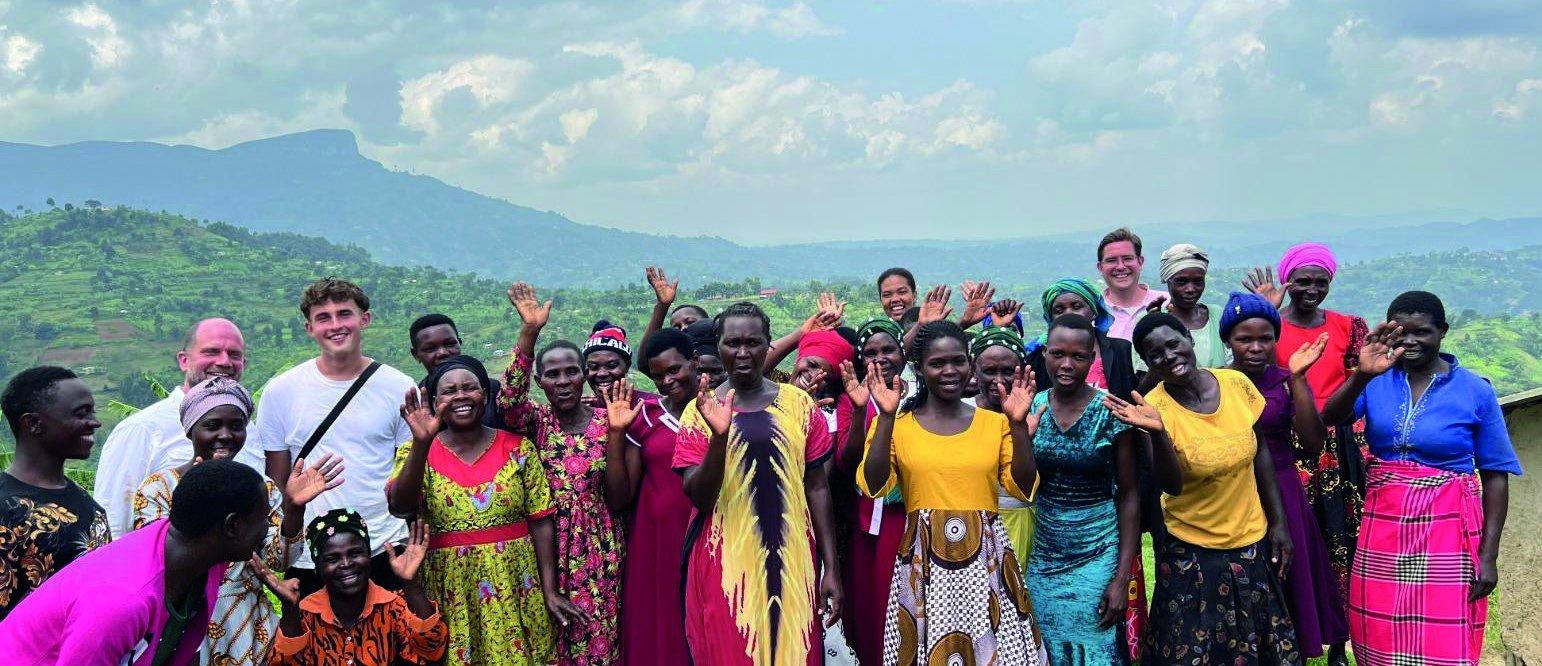
I'm Katja. For almost six years I've supported a sponsored child in Butiru, and from 20 March to 5 April I travelled with a small group from the Freundeskreis Christliche Sozialarbeit in Uganda e.V. to learn about the projects on site and visit my sponsored child, Jane. Unlike most of the group, it was my first time, and I was asked to write a short report. (Translated from German.)
First of all, the way the trip was organised always gave me a good, safe feeling in an unfamiliar place: the preparation (flights, visas, packing lists, vaccination advice, the programme, getting to the airport …), the whole journey (when and where how many boda-bodas need to be ready, where to get lunch on the road …), the flexible response to unexpected changes (suddenly the tribal king couldn't receive us after all), looking after small scrapes and health problems, and plenty of help and advice from Silke.
The many long-standing friendships with people in Butiru, and the encounters that were made possible – over afternoon tea, for instance, or with public figures such as mayors, head teachers and leaders of microfinance groups – gave me a good insight into social life and the worries and hopes of the people there.
A special moment was meeting and talking with my sponsored child. Jane is now 15. It was interesting to talk with her about her life, school and her plans for the future, and from now on I have a real person and situation in mind when I write to her or receive her letters.
During the trip I kept a diary. I'd like to share a few special impressions from it below. If you want more – a daily report with lots of great photos – I recommend the WhatsApp channel Antje kept up to date along the way.
From my diary
What I thought
Africa is hot and dry, all desert and savannah.
What it's like
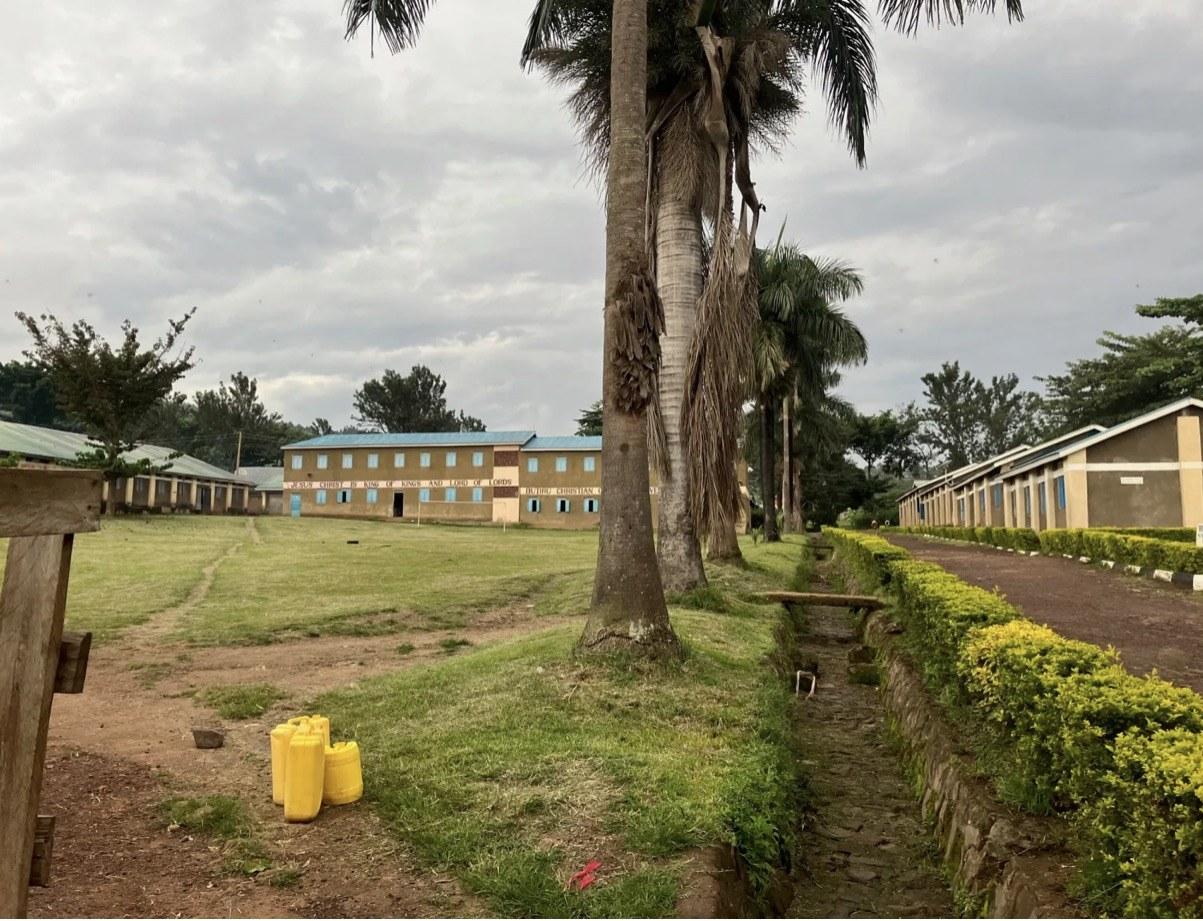
Uganda is beautifully green and lush, and a great many different crops are grown there.
What I thought
The Freundeskreis's support covers the village of Butiru and its immediate surroundings.
What it's like
The Butiru area covers almost 100 km² and is home to about 70,000 people. The region has already been supported with 69 schools, over 400 houses, about 300 water sources, 1,400 cows, 600 beehives and much equipment, for hospitals for example. Particularly impressive and sustainable is how actively the local people are involved in planning and carrying out the projects – help towards self-help.
Mzungu – wanderer (white person)
As a white person I felt like I stood out a mile wherever there were lots of people. You can't disappear into the crowd; you always stand out. Although people were friendly, smiled, and many came up to ask how I was, that feeling never left me. People of colour in Germany probably feel the same – and in many places, sadly, they also feel rejected.
Boda-boda
The way to transport people and everything in daily life! Every day I was surprised by what can be carried on a boda-boda. My highlights: 8 × 50 kg of cement, a huge pile of sugar cane, 6 large banana bunches, a pig, about 50 chickens hung up by their feet (alive), several turkeys (alive), 6 schoolchildren plus driver, a coffin (hopefully empty) and a second boda-boda across the back seat.
My conclusion
I gathered so many interesting, impressive, moving, incredibly beautiful and also thought-provoking experiences, and I'm grateful that I had the chance to gain such deep insight into a completely different world.